
How Cricket Scoring Works
Learn how runs are scored in cricket, from singles to boundaries. A simple guide to the basics.
1 min read Read Guide
Learn what an over is and how wickets fall. These are two key ideas in every cricket match.
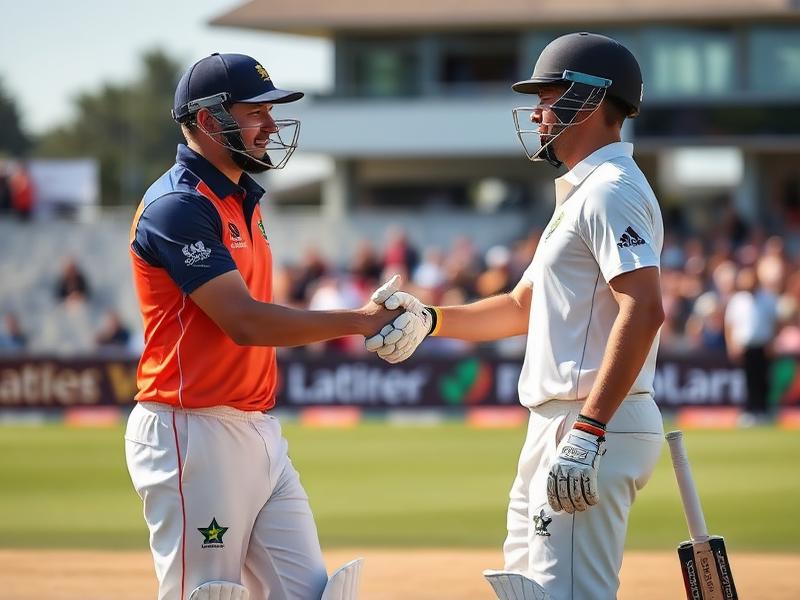
Overs measure how much bowling has happened. Wickets measure how many batters are out. Together they describe the state of any innings.
An over is six legal deliveries bowled from one end. After each over the umpires switch ends and a different bowler takes over. No bowler may bowl two overs in a row.
Wides and no balls do not count towards the six, so an over with extras contains more than six deliveries.
Overs are written with a decimal point that counts balls, not tenths. 12.3 overs means twelve completed overs and three balls, so 75 deliveries in total. This is why 12.6 never appears — that is 13 overs.
An innings ends when ten wickets fall, when the allotted overs run out, or when the batting captain declares. Ten wickets end it because the last batter has no partner left.
Pick one reaction. You can change it at any time.
Learn how runs are scored in cricket, from singles to boundaries. A simple guide to the basics.
A simple overview of the basic rules of cricket for new fans and players.
LBW is a way to be out in cricket. Learn the simple idea behind the leg before wicket rule.
Type at least 2 characters to search across players, teams, matches, tournaments, news and guides.