
How Cricket Scoring Works
Learn how runs are scored in cricket, from singles to boundaries. A simple guide to the basics.
1 min read Read Guide
A scorecard shows how a match is going. Learn to read runs, wickets and overs.
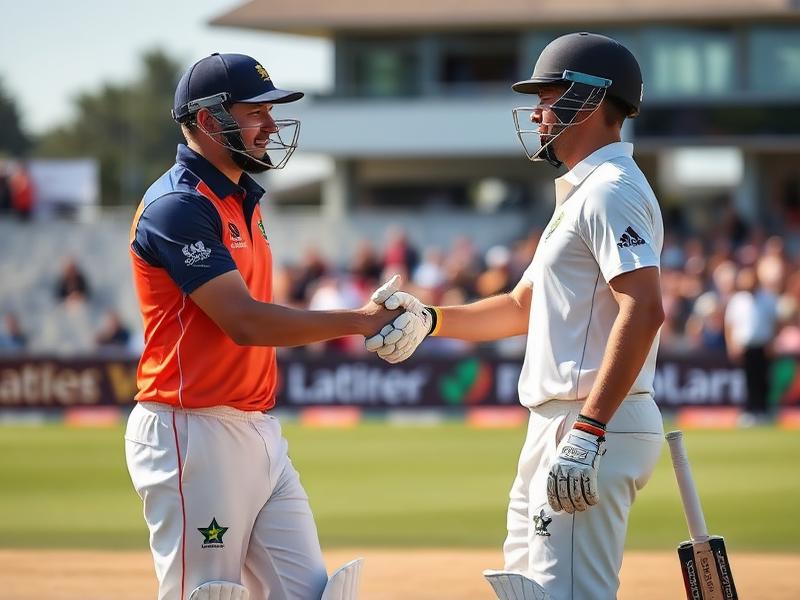
A scorecard holds the whole match in a small space. Once you know the columns it reads quickly.
Each batter has a line: how they were out, then runs, balls faced, fours, sixes and strike rate.
The dismissal is written in shorthand. “c Smith b Jones” means caught by Smith, bowled by Jones. “lbw b Jones” means leg before wicket off Jones. An asterisk or “not out” means they were still batting when the innings ended.
Each bowler has overs, maidens, runs conceded and wickets — usually written in that order. An economy rate shows runs conceded per over.
A maiden is an over from which no runs were scored off the bat or as extras.
Extras are listed separately and added to the team total: byes, leg byes, wides and no balls. They count for the team but not for any batter.
This line shows the score at each dismissal, such as 1-24, 2-31. It tells you whether the innings collapsed or was rebuilt after early losses.
Compare strike rates and the fall of wickets. A slow innings at the top with a fast one at the end describes a very different match from steady scoring throughout.
Pick one reaction. You can change it at any time.
Learn how runs are scored in cricket, from singles to boundaries. A simple guide to the basics.
Learn what an over is and how wickets fall. These are two key ideas in every cricket match.
A simple overview of the basic rules of cricket for new fans and players.
Type at least 2 characters to search across players, teams, matches, tournaments, news and guides.