
Demo Content. This article is placeholder copy written to fill the template. The scores, quotes and events described here are illustrative and did not happen.
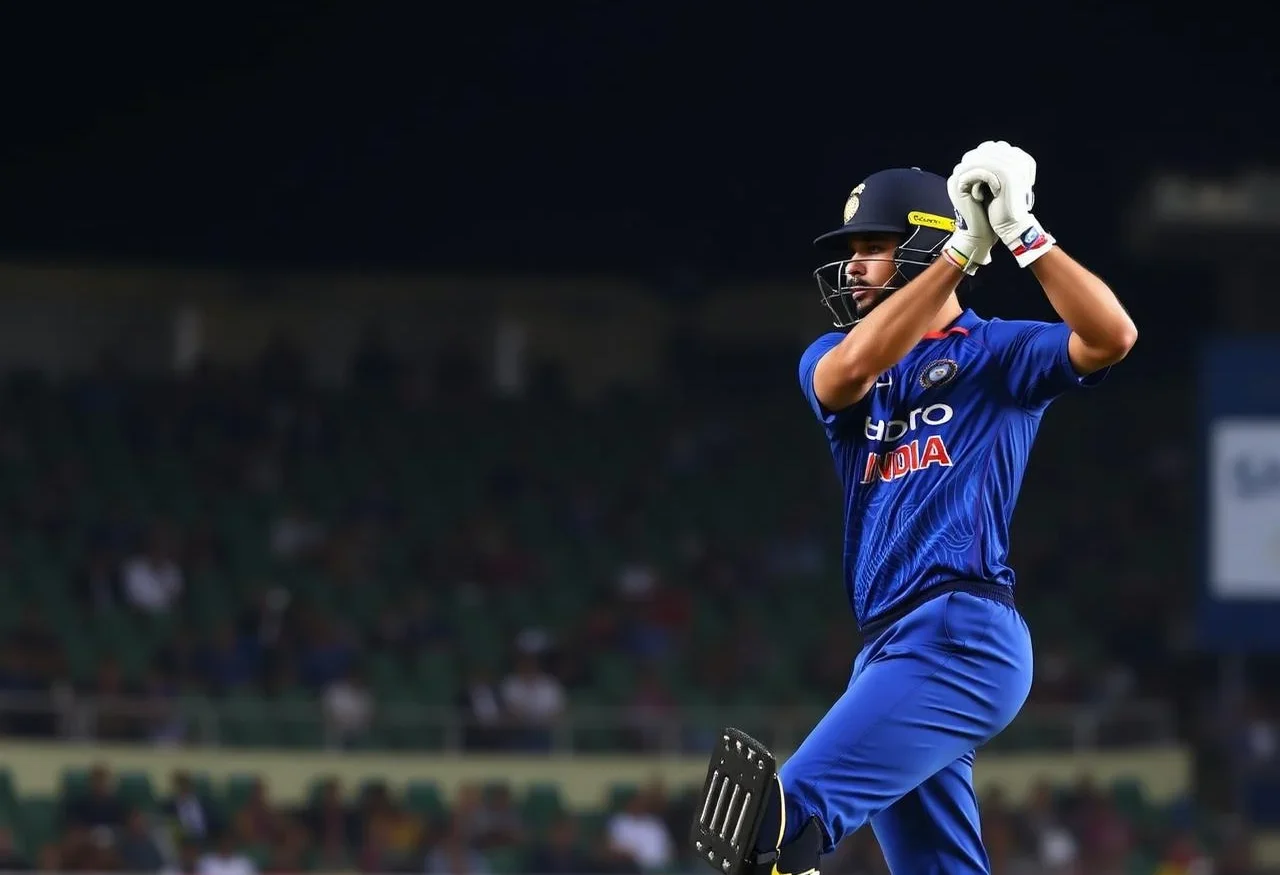
The chase never looked rushed. India walked out needing a modest total and treated the first ten overs as a conversation rather than an argument, letting the required rate come to them instead of chasing it down.
A partnership that set the tone
The opening pair added ninety before the first wicket fell. Neither batter tried to force the pace, and the scoreboard ticked over almost without anyone noticing.
That is the value of an unhurried start. By the time the spinners came on, the required rate had barely moved and the pressure had quietly changed ends.
The key points
- Ninety runs for the opening wicket
- Only one boundary in the first five overs
- Two chances put down in the deep
- Target reached with twenty-six balls left
Where the bowling side lost control
Two dropped chances in the deep cost more than the runs they conceded. Each one arrived at a moment when a wicket would have forced a rebuild, and each one let a set batter carry on.
How the chase was built
| Phase | Overs | Runs | Wickets |
|---|---|---|---|
| Powerplay | 1 – 10 | 52 | 0 |
| Middle overs | 11 – 40 | 148 | 2 |
| Death overs | 41 – 46 | 41 | 1 |
More coverage of this story, and of everything else happening in the world of cricket, is published in our news section as it develops.

Good breakdown. The point about the middle overs is the one nobody makes on television.
Thanks for reading. We are planning a longer piece on exactly that.