
How to Catch a Cricket Ball
Learn to catch a cricket ball safely with soft hands. Good catching wins matches.
1 min read Read Guide
Understand common fielding positions in cricket. Knowing them helps you move to the right spot.
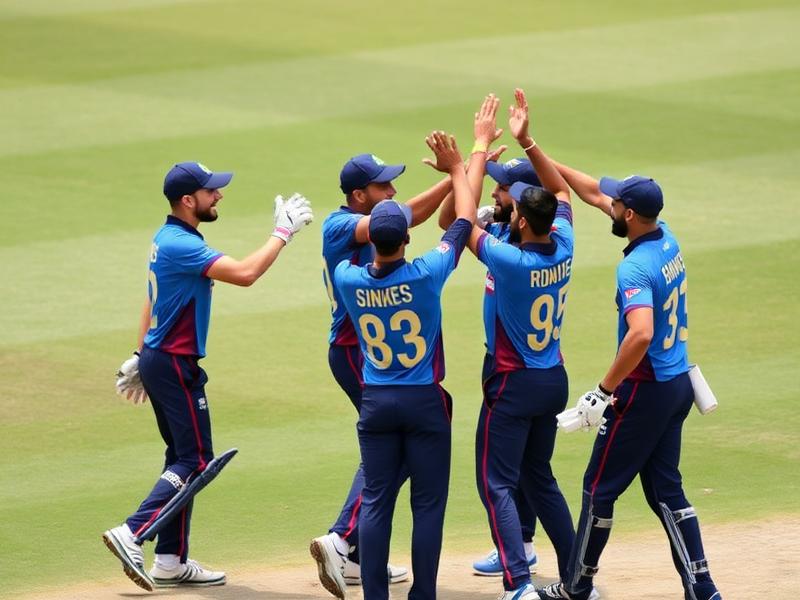
Fielding positions are named relative to the batter, so they flip when a left-hander is on strike. Learning the common ones makes captaincy and commentary far easier to follow.
The off side is the side the batter faces. The leg side, also called the on side, is behind them. Every position name sits on one of those two halves.
Third man, fine leg, deep cover, long-off, long-on and deep mid-wicket sit near the rope to stop fours. Which of them are used depends on the format and the field restrictions in force.
Fields are set for the bowler’s plan. An attacking field has more catchers close in; a defensive field pushes players out to save singles and boundaries.
Pick one reaction. You can change it at any time.
Learn to catch a cricket ball safely with soft hands. Good catching wins matches.
A strong, accurate throw helps you save runs and take run-outs. Practice a simple throwing action.
Avoid the most common beginner mistakes in cricket. Small fixes can make a big difference.
Type at least 2 characters to search across players, teams, matches, tournaments, news and guides.