
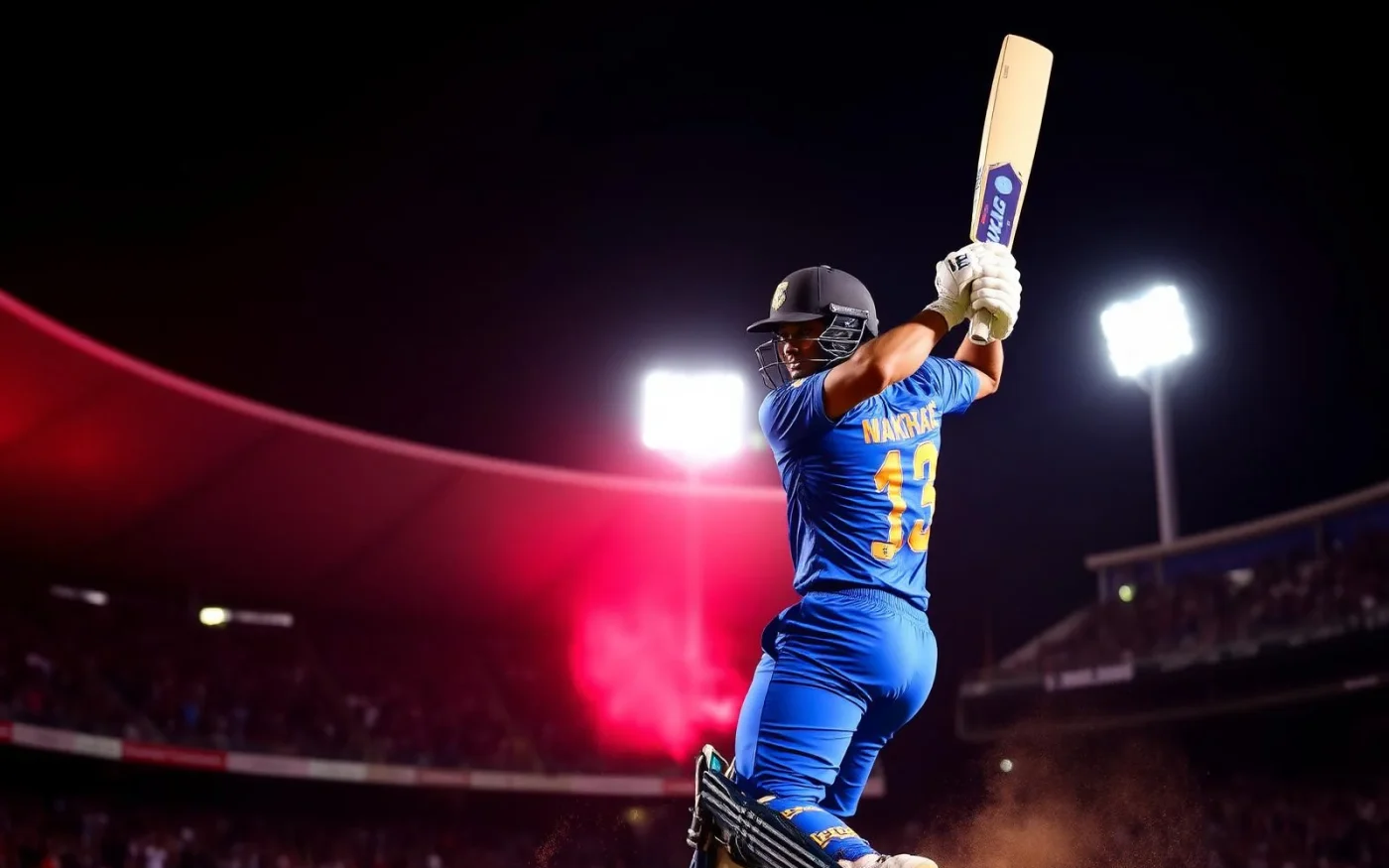
Demo Content. This article is placeholder copy written to fill the template. The scores, quotes and events described here are illustrative and did not happen.
It is the most watched over in cricket and the least representative one.
A format inside a format
Three batters, one bowler, no field restrictions to speak of. Almost nothing that made a team good over the previous three hours applies.
The key points
- Three batters and one bowler per side
- A dismissal ends the over immediately after two wickets
- Further Super Overs are played until a winner emerges
The alternatives are worse
Deciding a final on boundary count, group position or a bowl-out has been tried, and each produced a result that felt less earned than six more balls. Nobody has yet proposed anything better.
More coverage of this story, and of everything else happening in the world of cricket, is published in our news section as it develops.


0 Comments
Thank you. Your comment has been submitted for moderation.