
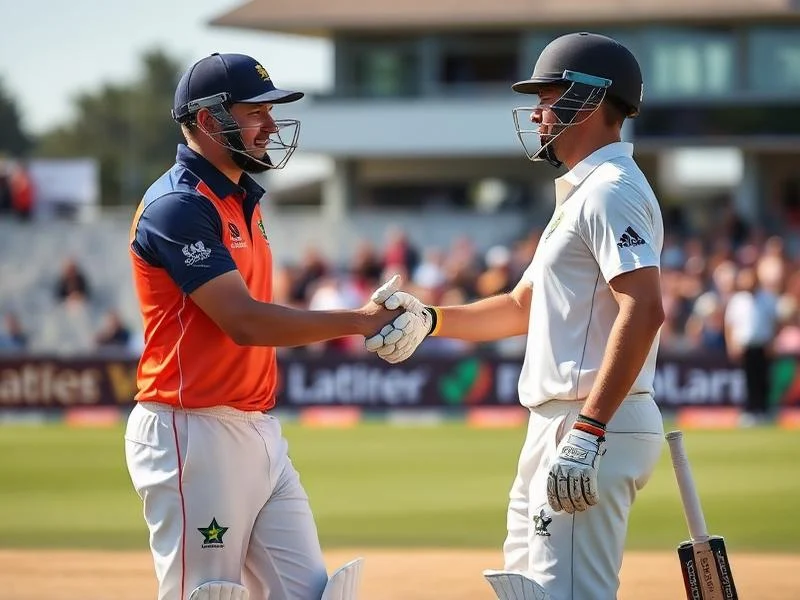
Demo Content. This article is placeholder copy written to fill the template. The scores, quotes and events described here are illustrative and did not happen.
A dropped catch behind the stumps costs more than a low score, and it happens in front of everybody.
Counting what a keeper prevents
Byes conceded and chances missed are the only statistics most people see. Neither captures the leg-side take standing up, or the throw collected cleanly with the batter half a yard short.
The key points
- Standing back to seam hides most keeping weaknesses
- Standing up to spin exposes all of them
- Byes are a poor proxy for keeping quality
When the trade-off is worth it
On flat surfaces, with the keeper standing back, a batting keeper costs very little and adds a great deal. On a turning pitch, standing up to spin, the arithmetic reverses entirely.
More coverage of this story, and of everything else happening in the world of cricket, is published in our news section as it develops.

0 Comments
Thank you. Your comment has been submitted for moderation.